
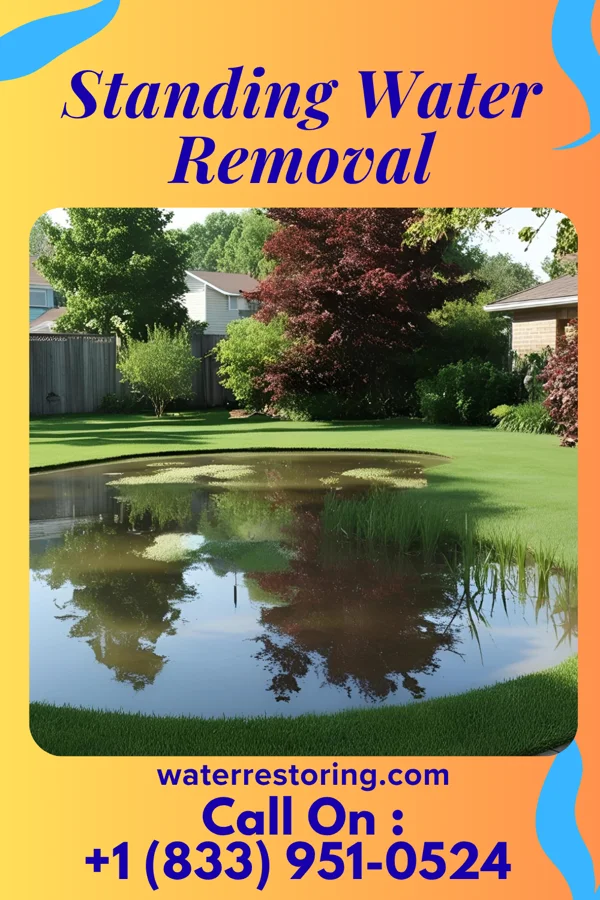
When Bloomington Properties Need Standing Water Removal
Water damage in Bloomington usually starts with In Bloomington, Minnesota, the primary water damage causes include plumbing leaks from aging infrastructure, burst pipes during harsh winter freezes, and basement flooding due to heavy spring thaws. The city's urban setting and proximity to major highways increase the risk of water intrusion from nearby developments.. A close second is Secondary causes include roof leaks from snow accumulation, sump pump failures during extreme weather, and water infiltration from nearby lakes or rivers. The area's high population density and frequent construction projects also contribute to unexpected water damage incidents.. Professional restoration follows the IICRC protocol on every job. Assess. Extract. Dry. Sanitize. Document.
Bloomington experiences cold winters with frequent freeze-thaw cycles, leading to pipe bursts and foundation issues. The region's humid summers and sudden storms increase the likelihood of sudden water damage, especially in older homes and commercial buildings.
Water damage in Bloomington follows a few local patterns. In Bloomington, Minnesota, the primary water damage causes include plumbing leaks from aging infrastructure, burst pipes during harsh winter freezes, and basement flooding due to heavy spring thaws. The city's urban setting and proximity to major highways increase the risk of water intrusion from nearby developments. accounts for the bulk of our calls. Bloomington experiences cold winters with frequent freeze-thaw cycles, leading to pipe bursts and foundation issues. The region's humid summers and sudden storms increase the likelihood of sudden water damage, especially in older homes and commercial buildings. Mold can develop quickly in Bloomington's humid climate, especially in homes with poor ventilation or after water damage from plumbing or roof leaks. Prompt action is critical to prevent health risks and structural damage.